
Introducing a Cat to a Dog
- How to Live in Harmony

Introducing cat and dog worries many pet parents. Many want a second furry friend but fear fights, yet cats and dogs are not natural enemies—they just need proper guidance to live in harmony. Today, Lolostar shares simple tips to help them become loving companions.
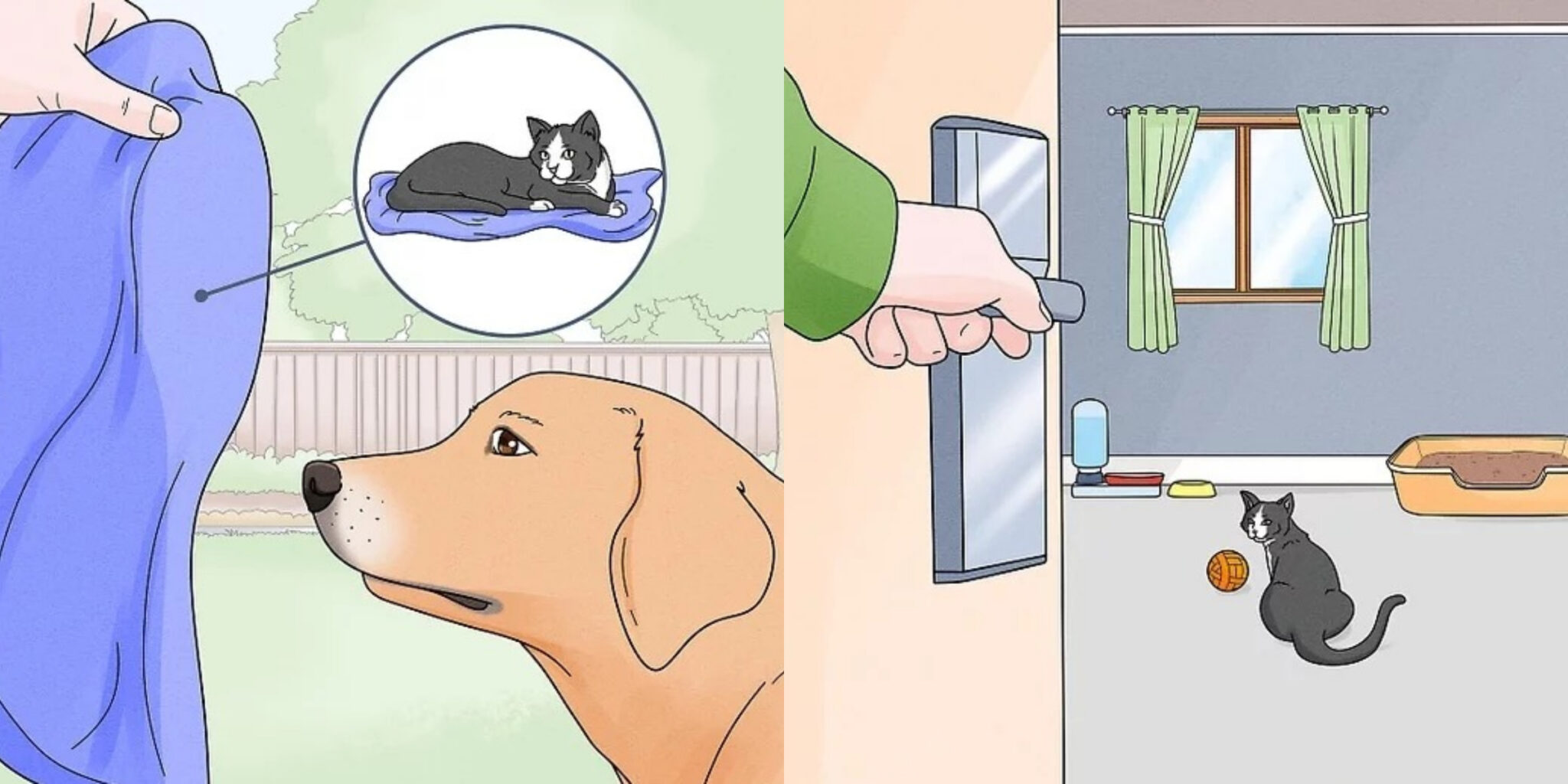
Create a safe space for your pets and let them get used to each other’s scents before meeting face-to-face. New cats or dogs often feel anxious in unfamiliar environments. Preparing a dedicated space and letting them adapt to each other’s smells in advance can greatly reduce future conflicts.
① Create a dedicated space for each pet
If a new cat joins your home, first settle it in a separate room with food, water, litter box, toys and a cozy bed. This helps the cat adapt to the new environment without being bothered by the dog’s excitement. Keep the dog out of this room to give the cat full sense of security.
If a new dog is coming home-Choose a space the cat rarely uses, and section it off with a pet gate to make it the dog’s exclusive area. This gives the dog a place to adapt, and also lets the cat observe the new pup at their leisure-they can walk away if they’re uninterested, without being chased around.
② Swap scents between them
Cats and dogs recognize each other mostly by smell. Letting them get familiar with one another’s scents ahead of time will calm their nerves for that first meeting –
- Swap their used blankets, toys, or beds, placing them in each other’s activity areas. This lets them “say hello from afar” before they even meet in person.
- Wear a piece of clothing that’s been in contact with both pets, and walk around them with this mixed scent. This helps them slowly get used to the smell of their new furry sibling.
③ Have a backup plan for separate coexistence
- If you have a dog and are getting a new cat- Train your dog in basic commands first, such as Sit, Leave it, and Stay. This ensures you can control their behavior during the first meeting and stop them from pouncing on the cat.
- If you have a cat and are getting a new dog- Prepare a cat tree, elevated perches, or a cozy cardboard box for your cat in advance. Cats naturally love high places—having an escape route will let them flee quickly when they feel threatened, reducing stress and anxiety.
Step 2 - Introduce Cat and Dog Gradually
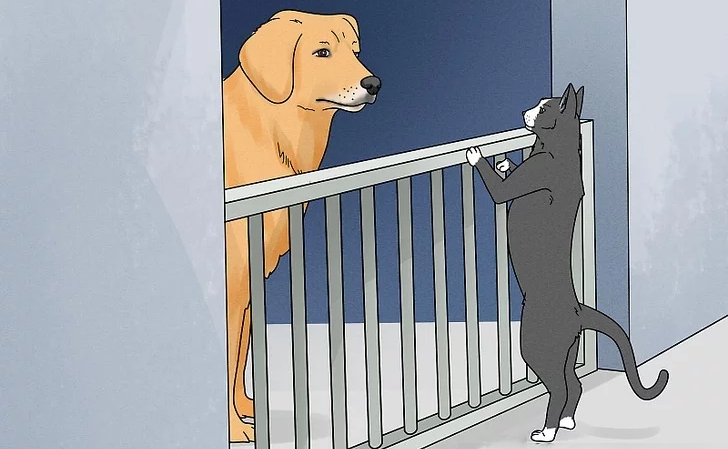
Cats and dogs need time to adapt to each other, so never let them interact freely when introducing cat and dog. Taking it step by step is the key; the process may take weeks or even months. Patience is a must for every pet parent!
① Phase 1 – Sniff each other out and build initial familiarity
After settling in the new pet, let them stay on either side of a closed door for a few days. Feed them treats and play with them near the door, so they associate each other’s scent with happy, positive moments.
- If your dog barks or scratches at the door, stop them with a command immediately and distract them with a toy.
- If your cat acts relaxed—eating or grooming themselves near the door—it means they’re slowly accepting this “strange new scent”.
- This phase can last 3 to 5 days, until neither pet shows signs of anxiety or aggression when they hear or smell each other through the door.
② Phase 2 – Tentative visual contact (no physical interaction)
Once both pets are no longer resistant to each other’s scents, it’s time for a barrier meeting –
- Separate them with a baby gate, pet playpen, or a cat carrier, so they can see each other but not touch.
- Keep your dog in a Sitor Down position during the meeting, and reward them with treats for good behavior. If your cat is willing to approach the barrier to check out the new pet, reward them with treats and gentle praise too!
- Keep each meeting short—5 to 10 minutes is perfect. You can extend the time if both pets are calm, but end the meeting right away if you see stress signals like fur fluffing, growling, or barking, and try again later.
③Phase 3 – Unsupervised barrier contact (with constant supervision)
If the barrier meetings go well and both pets stay calm (the dog doesn’t chase or bark, the cat doesn’t hiss or run away), you can try short barrier-free interactions –
- A pet parent must supervise the entire time, and keep the dog on a leash so you can pull them away if needed.
- Never force them to interact—let the cat decide if they want to approach the dog. If the dog tries to pounce, stop them with a command and distract them with a toy.
- Keep the first barrier-free meeting brief (around 5 minutes)—it’s a success if there’s no conflict! Gradually extend the interaction time after that, until they can move freely in the same room without bothering each other.
Step 3 - Pay Attention to Daily Coexistence Details
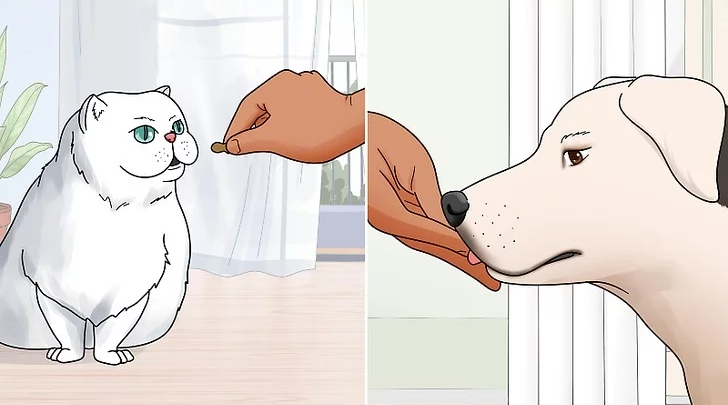
Once your cat and dog get along calmly after introducing cat and dog, small daily details will help avoid future conflicts and strengthen their bond.
① Feed them separately—no food fights, no hard feelings
Many cat-dog conflicts start over food, so always keep their feeding areas separate –
- Place the cat’s food bowl in a high spot (like a kitchen counter or cat tree) where the dog can’t reach it, to stop the dog from stealing the cat’s food.
- Place the dog’s food bowl on the ground, far from the cat’s activity area. This ensures both pets can eat in peace, without being disturbed.
② Respect each other’s “personal space”
Even the closest furry siblings need time alone –
- Keep the cat’s exclusive room or elevated perches available at all times, so they can hide away and have quiet time without the dog bothering them.
- Don’t let the cat pester the dog when they’re tired and want to rest—give each pet their own cozy corner for relaxing.
③ Don’t force interaction—reward friendly behavior
- Never pick up the cat and place them next to the dog, or drag the dog over to cuddle the cat. Forced interaction will only make them resent each other, and may even spark a fight.
- If you see them approaching each other voluntarily, sniffing one another, or just sitting calmly together on the couch, reward both with treats and gentle praise right away! This lets them associate being with each other with good things, and build positive feelings over time.
④ Trim the cat’s claws regularly to avoid accidental injuries
A cat’s claws are sharp—if they get annoyed by the dog and scratch them, the dog may fight back. Trimming your cat’s claws regularly not only protects the dog, but also prevents the cat from accidentally scratching you, their pet parent!
Step 4 - A Few Pro Tips for Pet Parents!

① Be patient—this is the most important rule!Every cat and dog is different, and the adaptation period can range from weeks to months. Don’t give up after one or two small conflicts, and don’t rush the process. Giving them enough time and space is the key to success!
②Be extra cautious with certain dog breeds– Breeds with a strong chasing instinct, such as terriers and hounds, need a more careful introduction. Extend the isolation period longer, and only try interactions once the dog can follow your commands perfectly.
③ Never leave them alone for too long – Even if they get along well most of the time, always separate them with a gate or closed door when you’re out of the house. This avoids conflicts that can happen when there’s no one to supervise.
④Stop conflicts immediately—don’t scold or punish! If they do fight, distract them with toys or treats, separate them, and let them calm down. Never yell at or hit either pet—this will make them associate each other’s presence with punishment, making it even harder for them to get along.
⑤ Learn about your pet’s personality first – If your cat is extremely shy, or your dog has a strong aggressive streak, it’s best to consult a professional pet behaviorist before deciding to bring home a new furry family member.
At the end of the day, cats and dogs are not natural enemies. Most tension comes from unfamiliarity. When introducing cat and dog, patience and gentle guidance help them accept each other and become close friends. We hope every pet parent can enjoy double furry happiness with these tips!